Enterprise connectivity is no longer just about getting online. It is about staying operational, scaling quickly, and supporting business growth without being held back by infrastructure limitations. Across Dubai, the GCC, and Africa, enterprises are increasingly turning to 5G as part of a more flexible and resilient network strategy.
With the expansion of Ubiquiti’s UniFi 5G portfolio, enterprises now have practical options to deploy 5G in a way that is simple, manageable, and aligned with real business needs. This playbook focuses on how to plan, deploy, and optimise UniFi 5G deployments to deliver long-term value, not just short-term connectivity.
Why UniFi 5G Makes Sense for Enterprises Today
5G has matured significantly over the past few years. It is no longer limited to consumer use cases or pilot projects. For enterprises, it brings three clear advantages:
- Faster deployment compared to traditional wired connectivity
- Greater flexibility for remote, temporary, or rapidly expanding sites
- Strong support for hybrid network designs combining wired and wireless WAN
In regions like the GCC and Africa, where fibre availability and provisioning timelines vary widely, 5G enables organisations to move faster and stay competitive.
Understanding the UniFi 5G Product Line
Ubiquiti’s latest UniFi 5G devices are designed to integrate seamlessly into existing UniFi networks, without introducing operational complexity.
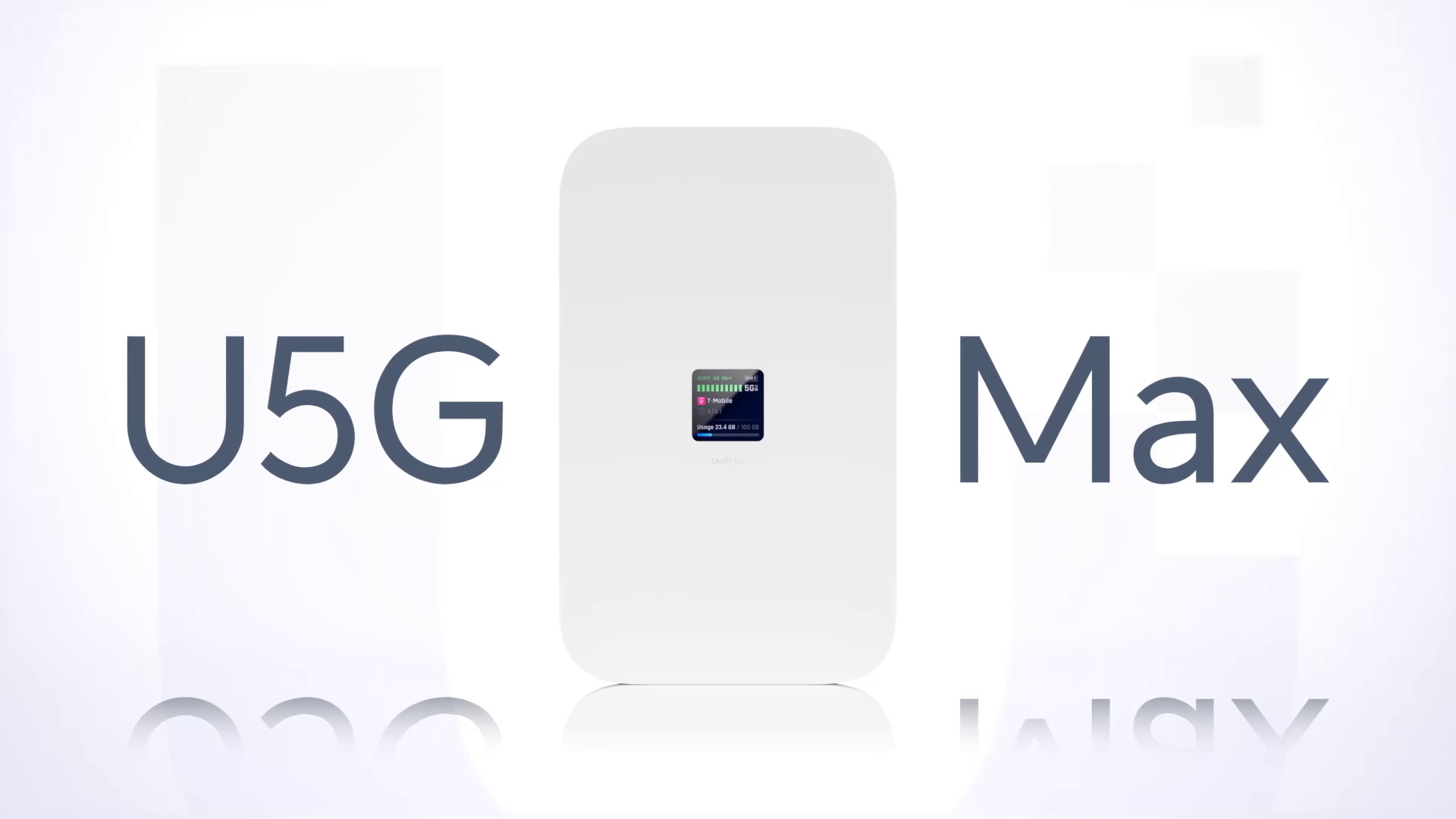
UniFi 5G Max (Indoor 5G Modem)
This compact indoor device connects directly to a UniFi gateway using PoE and appears as a standard WAN interface. It supports both physical SIM and eSIM, allowing enterprises to switch carriers or configure redundancy without changing hardware. It is well suited for offices, branch locations, and indoor deployments where signal strength is adequate.
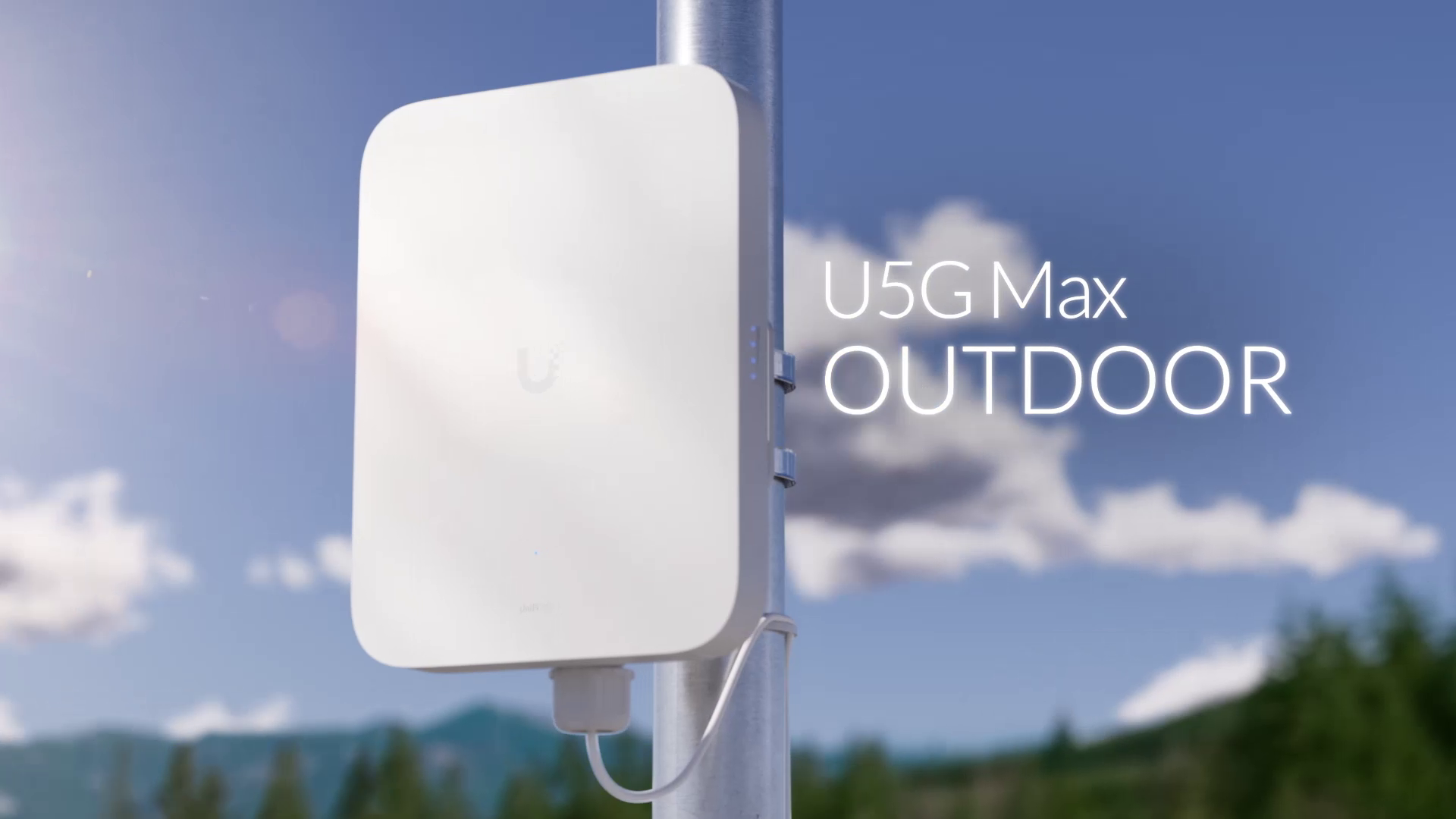
UniFi 5G Max Outdoor
Designed for challenging environments, the outdoor version offers the same core functionality in a rugged, weather-resistant enclosure. It is ideal for rooftops, remote sites, construction areas, and locations where indoor signal penetration is limited.
Dream Router 5G Max
This all-in-one solution combines 5G connectivity with Wi-Fi 7, integrated switching, and UniFi OS applications. It is particularly useful for small to mid-sized offices, temporary sites, or locations that need a complete networking solution from a single device.
All of these products support dual SIM and eSIM configurations, giving enterprises flexibility in carrier selection and failover planning.
A Practical UniFi 5G Deployment Playbook
1. Start With Business-Led Planning
A successful UniFi 5G deployment begins with clarity on purpose.
Ask simple but critical questions:
- Is 5G intended as a backup connection or the primary internet link?
- Is the deployment permanent or temporary?
- How critical is uptime for this site?
In Dubai and across the GCC, UniFi 5G is often deployed as a resilient backup for fibre-connected offices. In many African markets, it is increasingly used as a primary connection where fixed infrastructure is limited or unreliable.
Defining the use case early helps avoid over-engineering and ensures the solution delivers measurable value.
2. Design for Coverage, Not Assumptions
5G performance can vary significantly depending on location, building structure, and network congestion.
Best practices include:
- Testing signal strength before finalising device placement
- Using outdoor 5G units where the indoor signal is inconsistent
- Planning antenna positioning carefully for rooftop or remote deployments
Enterprises that invest time in basic coverage planning experience fewer performance issues after go-live.
3. Make Smart SIM and eSIM Decisions
One of the biggest advantages of UniFi 5G is carrier flexibility.
With physical SIM and eSIM support, enterprises can:
- Select carriers with the strongest regional coverage
- Use different carriers for redundancy and failover
- Switch providers without hardware replacement
In the GCC, this flexibility supports carrier diversity across countries. In Africa, it allows enterprises to adapt quickly to regional network variations and pricing models.
4. Keep Deployment Simple and Centralised
UniFi 5G devices are designed to be straightforward to deploy. Once connected, they automatically enter the UniFi ecosystem and can be managed from the same interface as switches, access points, and gateways.
This unified visibility allows IT teams to:
- Monitor WAN performance in real time
- Identify bottlenecks early
- Maintain consistent policies across multiple sites
For enterprises managing distributed locations across regions, this simplicity significantly reduces operational overhead.
5. Plan for Failover and Business Continuity
Connectivity failures are not a matter of if, but when.
UniFi 5G enables enterprises to design networks that:
- Automatically switch to 5G when wired links fail
- Maintain access to critical systems during outages
- Reduce downtime without manual intervention
This is particularly valuable for logistics hubs, warehouses, retail networks, and critical operations across Dubai, the GCC, and Africa.
6. Optimise After Deployment
Deployment is not the final step. Continuous optimisation ensures consistent performance.
Simple actions make a big difference:
- Fine-tuning device placement
- Monitoring usage trends through UniFi dashboards
- Adjusting policies based on real traffic patterns
These small refinements help enterprises get the most from their 5G investment over time.
Delivering Real Value With UniFi 5G
UniFi 5G is not about replacing fibre or traditional WAN technologies. It is about adding flexibility, resilience, and speed to enterprise networks.
When deployed with a clear plan, the right hardware, and practical optimisation, UniFi 5G enables enterprises in Dubai, the GCC, and Africa to stay connected, scale faster, and operate with confidence.
The true value lies not in the technology itself, but in how effectively it supports business continuity and growth.